A real-time personalization platform is a piece of software that uses live data to deliver a unique experience to every single customer, right in the moment.
Think of it like a brilliant hotel concierge who anticipates your every need, versus a generic vending machine that offers the same limited options to everyone. This technology is what makes it possible to have one-to-one conversations with your audience, even at a massive scale.
What Is a Real-Time Personalization Platform
At its core, a real-time personalization platform is an engine built to listen, understand, and react to a customer's behavior in milliseconds. It’s a huge leap forward from traditional marketing, which usually depends on static segments and data from weeks or months ago.
This modern approach captures what a user is doing right now and responds immediately.
This shift is so important because customer expectations have completely changed. A staggering 71% of users now expect personalized interactions at every single touchpoint, from the emails they receive to the product suggestions they see on your site.
To deliver on that, a real-time platform tracks high-intent signals—like live browsing, search queries, or items added to a cart. This information is instantly used to update customer profiles and trigger perfectly timed content, like a personalized web notification or an on-site recommendation. It’s no surprise that fast-growing companies see 40% more revenue from personalization than their competitors; this technology is a proven revenue driver. For more on this, you can explore personalization insights on insiderone.com.
Static vs Real-Time Personalization at a Glance
To really get a feel for the power of real-time personalization, it helps to see it side-by-side with the older, static methods most of us are used to.
The table below breaks down the key differences.
| Attribute | Static Personalization | Real-Time Personalization |
|---|---|---|
| Data Source | Historical data (past purchases, demographics) | Live behavioral data (clicks, searches, cart adds) |
| Timing | Delayed; acts on past behavior (days or weeks old) | Instant; acts on current behavior (milliseconds) |
| Targeting | Broad segments (e.g., "shoppers aged 25-34") | Individual users (a "segment of one") |
| Experience | Generic and often irrelevant | Hyper-relevant and contextual |
| Example | Shows all "male shoppers" a generic ad for watches. | Shows a user who just viewed a specific watch an ad for that exact watch. |
Essentially, the biggest difference comes down to timing and context. Static personalization acts on who a customer was, while a real-time platform engages with who they are at that very moment.
This ability to act on in-the-moment intent is what makes the technology so effective. It allows brands to influence decisions as they’re being made, turning a flicker of interest into a confident purchase.
A fantastic way to do this is with dynamically generated visuals. You can learn more about how this works by reading our guide on using a real-time image API to create truly engaging and personal content.
How Real-Time Data Powers Instant Personalization
Think of a real-time personalization platform as your brand's instant-response system. It senses what a customer is doing right now and immediately fires back with a perfectly tailored experience. This all happens in a flash, turning a moment of casual browsing into a decision to buy.
So, how does it all work under the hood? It’s a lightning-fast, three-part flow: the platform sees what a user does, instantly figures out what they want, and then delivers a relevant experience based on that fresh insight.
This diagram breaks down that simple but powerful journey from raw data to a one-to-one interaction.
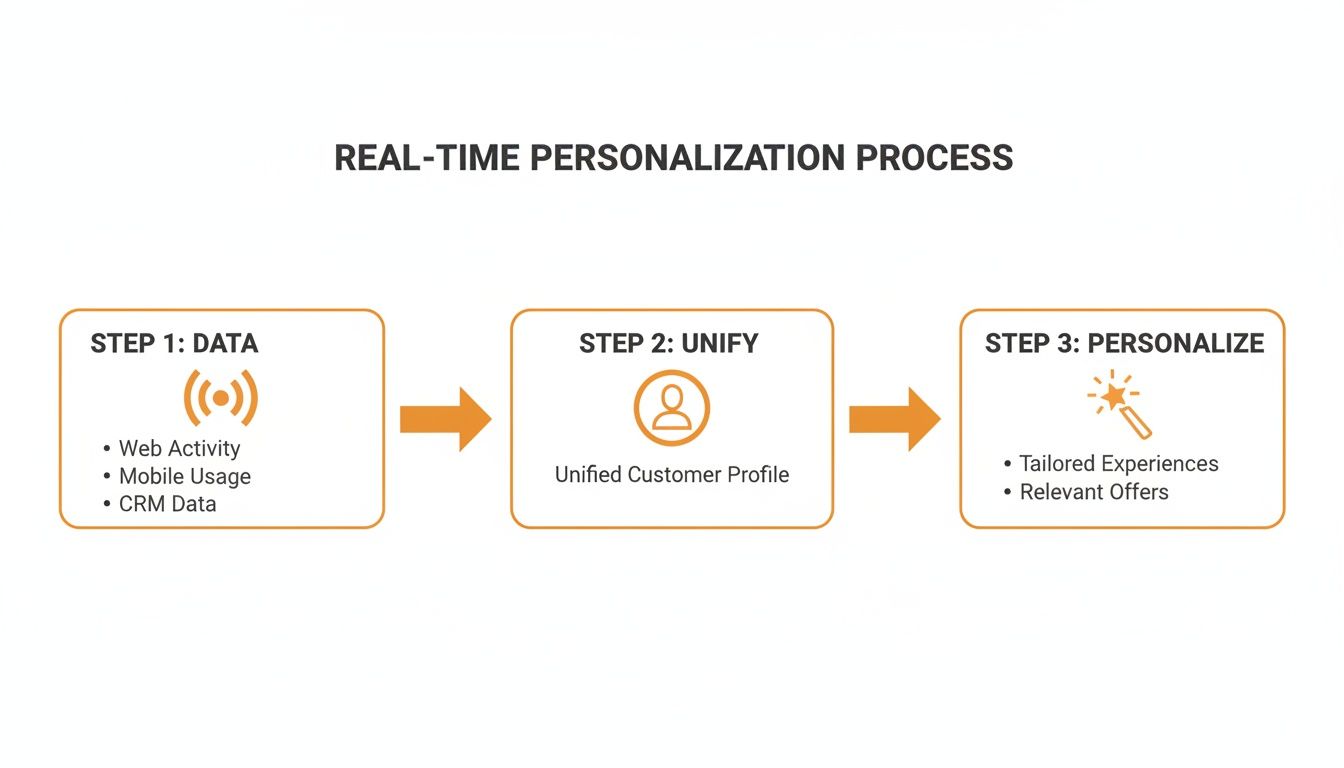
As you can see, the whole cycle is built for speed: collecting signals, making sense of them, and then acting on them in milliseconds.
Step 1: Capturing What’s Happening Right Now
The process kicks off the second a user lands on your site or app. The platform's first job is to listen to everything happening across your digital channels. We’re not talking about purchase history from last week; this is about what’s happening in this very moment.
These signals come in two flavors:
- Behavioral Data: This is all about what the user does. Think clicks on a product, adding an item to the cart, typing a specific search query, or even just hovering over a section of a page.
- Contextual Data: This covers the "where" and "how" of their visit. It includes their device (mobile vs. desktop), geographic location, the time of day, and which marketing campaign brought them to you.
Just getting this data into one place is a huge challenge for many companies. If you're running into roadblocks, our guide on common data integration challenges can help.
Step 2: Turning Raw Data into Real Intent
Once the data streams in, a real-time platform doesn’t just file it away. This is where the real magic begins. The system processes the incoming flow of events, comparing it against historical information to find patterns.
This is how the platform goes from seeing simple clicks to understanding a user's intent.
For instance, a visitor who clicks on three different pairs of running shoes isn’t just window shopping. They’re signaling clear intent to buy a specific type of product, and the platform recognizes this pattern instantly.
This rapid analysis is everything. Traditional analytics might flag this behavior hours or even days later, long after the customer has lost interest and left. A real-time system knows what they want while they're still on your site.
Step 3: Delivering the Right Experience, Instantly
With a clear read on the customer's intent, the platform's final job is to act. It triggers a pre-set rule or a machine learning model to serve up a personalized experience through an API call. Because this happens so fast—often in under 50 milliseconds—the change feels completely seamless to the user.
This action can take many forms:
- On-Site Content: The homepage banner instantly swaps to feature a promotion on running shoes.
- Product Recommendations: A carousel appears showcasing similar running shoe models.
- Personalized Offers: A pop-up offers a one-time "10% off your first footwear purchase" coupon.
This immediate, relevant reaction is what sets modern personalization apart. It meets customers exactly where they are in their journey and gives them just what they need to take that next step.
Measuring the ROI of Real-Time Personalization
Investing in a real-time personalization platform is a big move. So, what’s the actual payback? It’s the one question every business leader needs answered. Beyond the cool tech, the real value is how it turns into hard numbers and real growth for your business.
This isn't just theory—it’s a revenue machine. When businesses switch from static marketing to these platforms, they often see huge financial wins. Just look at brands like Samsung, which reported a 24% lift in conversions by using real-time behavioral data to shape customer journeys on the fly.
From Platform Features to Financial Metrics
It’s easy to draw a straight line from the platform’s features to your bottom line. Every tool and capability is designed to nudge the key performance indicators (KPIs) that really matter.
Here’s how it all connects:
- Increased Conversion Rates: When you can respond to what a user wants in milliseconds—showing them the perfect content or offer—you’re removing friction. That immediate relevance is what pushes conversion rates up.
- Higher Average Order Value (AOV): Real-time product recommendations are incredibly powerful. Suggesting a matching accessory or a premium upgrade right when someone is looking at an item is a surefire way to increase their basket size.
- Improved Customer Lifetime Value (CLTV): Personalization builds loyalty. It’s that simple. When customers feel like you get them, they come back again and again, which sends their lifetime value soaring.
The numbers back this up. Fast-growing companies that nail personalization generate 40% more revenue from it than their slower competitors. On top of that, tailored experiences encourage people to spend more, with some reports showing consumers spending 38% more on average. You can explore real-time personalization insights from Bloomreach to dig deeper into these findings.
Quantifying the Business Impact
To really get a grip on the ROI, you have to track the right numbers before and after you flip the switch. A well-run personalization platform should produce clear improvements in a few key areas.
A common mistake is to see personalization as just a marketing cost. It's not. Think of it as a core business strategy that directly fuels revenue and customer loyalty, with a clear path from what you spend to what you earn.
Start by tracking these essential metrics:
- Lead-to-Conversion Rate: Are more of your leads actually becoming paying customers?
- Cart Abandonment Rate: Are you seeing fewer shoppers leave their carts behind?
- Customer Retention Rate: Are more first-time buyers coming back for a second, third, or tenth time?
Focusing on these numbers helps build a rock-solid business case. For any business that relies on email, an enterprise email personalization platform is an absolute must for moving these metrics. It’s what allows you to send hyper-relevant messages that nurture leads and keep customers coming back. The end game is to stop talking about abstract benefits and start tying every personalized touchpoint to a real, positive impact on your company's financial health.
Essential Features of a Top-Tier Platform
Not all personalization platforms are built the same. While many promise real-time magic, a truly top-tier real-time personalization platform is defined by a specific set of core features. These are the non-negotiables that let you move past basic segmentation and create genuine one-to-one experiences.
Think of it like the difference between a basic home toolkit and a professional mechanic's garage. Both have wrenches, but only one has the specialized gear needed for high-performance work. A great platform is the full garage, giving you everything you need for sophisticated, impactful personalization at scale.
Consider this your buyer's guide—a checklist of the must-have features to look for when evaluating your options.
Unified Customer Profiles
The foundation of any great personalization strategy is a complete picture of the customer. A top-tier platform has to create unified customer profiles that pull together data from every single touchpoint. This goes way beyond just purchase history. We're talking about a 360-degree view that includes:
- Behavioral Data: Clicks, page views, search queries, and cart activity.
- Transactional Data: Past purchases, returns, and subscription status.
- Contextual Data: Device type, location, and the marketing channel they came from.
This unified profile becomes your single source of truth. It allows the platform to understand each user's complete journey and make smarter decisions in the moment.
Advanced Segmentation and Orchestration
Once you have that unified profile, the next step is acting on the data. This means going far beyond static lists. A powerful platform enables dynamic segmentation, where users automatically move in and out of audiences based on what they're doing right now.
For example, a customer who views three different product pages for hiking boots should instantly be added to a "high-intent footwear" segment.
The real power, though, comes from omnichannel campaign orchestration. This feature ensures a consistent and connected experience across all your channels—from your website and mobile app to email and social media—all managed from one central hub.
This is what stops you from sending mixed signals, like showing a discount on your site but a totally different offer in an email that lands moments later.
Testing and Analytics
How do you know what’s actually working? A superior personalization platform doesn't make you guess. It must come with built-in A/B/n testing and robust analytics to measure the impact of every single campaign.
This lets you test different offers, headlines, or even entire user journeys to see what drives the most engagement and conversions. The platform should have clear dashboards that connect your personalization efforts directly to key business metrics like revenue, average order value, and customer lifetime value.
Seamless API and Integrations
Finally, a modern platform needs to play well with your entire marketing stack. Seamless API access is non-negotiable for this. It allows you to feed real-time data into other tools and, just as importantly, use external data to trigger actions within the platform.
For instance, you could use an API to connect with a service like OKZest to automatically generate and serve hyper-personalized images in your email campaigns. By sending customer data through the API, you can create dynamic visuals featuring their name, location, or even a relevant product. This makes every single interaction feel unique and is what truly separates a good platform from a great one.
Practical Use Cases Across Key Industries
The real power of a real-time personalization platform snaps into focus when you see what it can actually do. This isn't just theory for huge e-commerce sites; it's about practical, powerful tools that work across all sorts of industries, turning data into real, engaging experiences for your customers.
Let's look at how different teams are using this technology to create those memorable moments that actually drive results. It all comes down to using live data to deliver something that feels personal, right when it matters most.
For Email Marketers and Sales Teams
Email is still the king of customer communication, but let's be honest—generic, static messages are dead on arrival. A real-time personalization platform can turn your emails and sales outreach into a dynamic, interactive conversation.
Imagine sending out one email campaign where every single person sees a different, personalized image. That’s not science fiction; it’s easily done by connecting a tool like OKZest to your personalization engine.
- Dynamic Countdown Timers: Nothing creates urgency like a ticking clock. You can embed a live countdown timer directly into an email image for a sale or webinar. The best part? It updates every single time the user opens the email.
- Personalized Outreach Images: If your sales team is on social media, sending a prospect a custom image with their company name on it will get a response way faster than just plain text. It shows you've done your homework.
- Location-Based Offers: Show subscribers images of products or store locations that are near their current city. This updates automatically based on where they open the email, making the offer feel incredibly relevant.
This screenshot shows exactly what this looks like for an event—an attendee's name and a live countdown are generated on the fly.
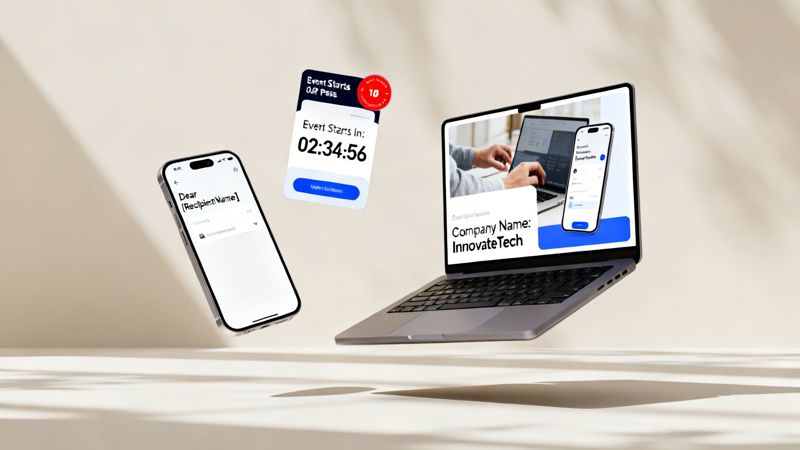
It’s a perfect example of how simple data points can become a compelling, time-sensitive visual that makes your communication impossible to ignore.
For Event Organizers and Travel
In the events and travel world, timing and context are everything. This is where real-time personalization truly shines, creating a smooth and impressive journey from the moment someone books until they're on-site.
The hospitality sector is already seeing huge wins with this approach. Real-time offers and proactive service are boosting in-stay spending by up to 20% and seriously improving Net Promoter Scores.
By plugging their booking systems into a real-time personalization platform, organizers and travel companies can deliver some amazing experiences:
- Generate Personalized Digital Passes: Instantly create and send digital tickets or event passes that include the attendee's name, a unique QR code, and event details. They're generated the second someone signs up.
- Deliver In-Stay Offers: A hotel can send a guest a personalized message with an image offering a discount at the spa. This can be triggered by their location on the property and what they’ve enjoyed in the past.
- Provide Real-Time Itinerary Updates: For tours or cruises, you can send travelers updated schedules or excursion info using personalized images in messages. This ensures they always have the latest details right in their hand.
These examples just scratch the surface. They show that a real-time personalization platform is a flexible and potent tool. It helps businesses in any industry move past generic messages and build stronger, more profitable relationships by finally treating every customer like an individual.
How OKZest Supercharges Your Personalization Strategy
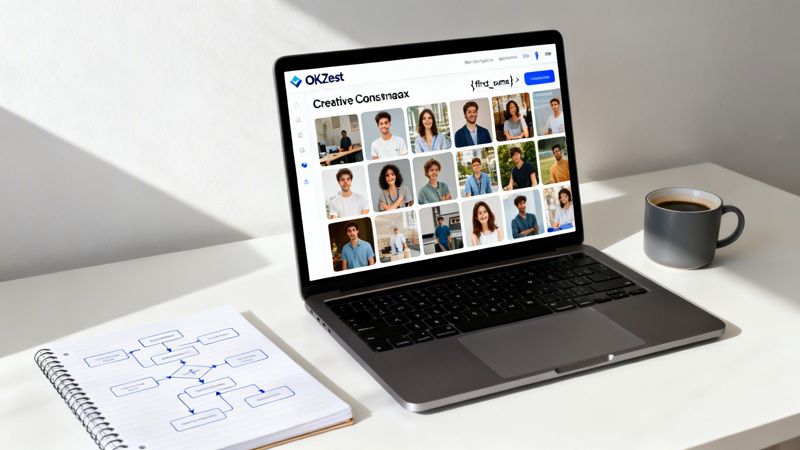
Think of a real-time personalization platform as the "brain" of your operation. It does the heavy lifting of collecting and making sense of customer data. But you still need a way to turn those powerful insights into something tangible that grabs your customer's attention.
That's where a tool like OKZest slots perfectly into your marketing stack. OKZest isn't a full personalization platform itself; it’s the specialized tool that takes the rich, real-time data from your platform and uses it to generate hyper-personalized images for your emails, social posts, website, and direct messages.
Connecting Data to Dynamic Visuals
The process is surprisingly straightforward. OKZest offers both a powerful API and simple no-code tools that connect directly to your existing systems. By passing along customer data—like a name, company, or recent purchase—you can generate completely unique visuals at scale.
We like to call it merge tags for images. This simple idea unlocks a world of creative possibilities for engaging your audience.
Imagine your personalization platform flags a high-value customer who just abandoned their cart. With OKZest, your follow-up email can automatically show an image with their name and the exact product they left behind, creating an unmissable and personal call to action.
This connection turns abstract data points into tangible, eye-catching visuals that feel like a one-to-one conversation.
Simple Integration and Total Reliability
Getting started is designed to be painless. OKZest uses simple merge tags that are compatible with over 99% of Email Service Providers, including popular tools like Klaviyo and Instantly. You just copy and paste a URL into your email template, and every recipient gets their own custom-generated image.
We also build in reliability with fallback text. If a piece of personalization data is ever missing—for example, you don't have a first name—the image will automatically display a default value you’ve set. This ensures your campaigns always look professional.
With scalable pricing for businesses of all sizes, from startups to enterprises, OKZest is the perfect partner to amplify your personalization strategy.
Frequently Asked Questions
It's natural to have questions when you're considering a new technology. Let's tackle some of the most common ones we hear about getting started with real-time personalization, its scope, and data privacy.
Common Implementation Questions
How long does it really take to set up a real-time personalization platform?
The timeline can vary, but you’d be surprised how quickly you can get going. A basic setup, like personalizing the banners on your homepage for different visitor segments, can be live in just a few weeks.
If your project is more ambitious and involves pulling in data from multiple sources or personalizing across several channels, you're looking at a couple of months to get everything running smoothly.
Is this technology only for big e-commerce companies?
Not at all. While e-commerce is a perfect fit, a real-time personalization platform is a game-changer for almost any business. We see companies in B2B, SaaS, travel, and media get incredible results by making their digital experiences more relevant and timely.
The core idea—responding to a user's immediate interest—is valuable for any business that interacts with customers online, whether your goal is generating leads or boosting engagement.
Data and Privacy Concerns
How do you handle data privacy and user consent?
This is a big one, and any trustworthy platform puts privacy first. Modern tools are designed from the ground up to comply with regulations like GDPR and CCPA.
They operate using first-party data (the information your users share directly with you) and include built-in features for managing user consent. This ensures your personalization is not only effective but also completely compliant.
Ready to turn your data into dynamic visuals? See how OKZest can supercharge your personalization strategy by visiting https://okzest.com to learn more.