Let’s cut through the jargon. At its core, one to one marketing is about treating each customer like an individual, not just a number on a spreadsheet. It’s the art of creating experiences, products, and conversations that are uniquely crafted for one person at a time.
This means moving away from the old "spray and pray" method and embracing a much smarter, more personal strategy. It’s all about using what you know about a customer to build a real connection.
What One to One Marketing Really Means

Think about the difference between a generic junk mail flyer and your favorite local barista remembering your name and starting your usual coffee order as you walk through the door. One is trash; the other makes you feel recognized and valued. That's the essence of one to one marketing.
And it goes way beyond just slotting a first name into an email. True one to one marketing dives deep into customer data—like purchase history, browsing habits, and past support tickets—to craft an experience that feels genuinely helpful and relevant.
The results speak for themselves. Fast-growing companies using this approach generate 40% more revenue than their peers. Why? Because these tailored experiences can slash customer acquisition costs by up to 50% and boost marketing ROI by a solid 10-30%. You can learn more about how personalization strategies build stronger customer connections.
The Core Shift in Strategy
This isn't just a minor tweak to your marketing plan; it's a fundamental shift in mindset from being campaign-focused to being customer-focused. The central question changes from, "How many people can we hit with this ad?" to, "What does this specific customer need from us right now?"
It's a complete flip of the script. To see just how different the approach is, let's compare the old way with the new.
One to One Marketing vs Mass Marketing
The table below breaks down the key differences between blasting a generic message and having a personal conversation.
| Feature | Mass Marketing (The Old Way) | One to One Marketing (The New Way) |
|---|---|---|
| Audience Focus | Broad segments or demographics | The individual customer |
| Communication | One-way broadcast (brand to customer) | Two-way dialogue (interactive) |
| Core Message | Generic, one-size-fits-all | Highly personalized and relevant |
| Key Metric | Reach and frequency | Customer lifetime value and loyalty |
As you can see, one to one marketing isn’t just an updated tactic. It’s a completely different philosophy for building lasting customer relationships and driving sustainable growth.
Why Personalized Marketing Isn’t Just a “Nice-to-Have”
In a world buzzing with digital noise, a generic, one-size-fits-all message just gets ignored. We’ve all gotten used to the hyper-relevant experiences from giants like Netflix and Amazon, and now, we expect that same level of individual attention from every single brand we interact with.
This isn't just a trend; it's a fundamental shift. Treating customers like the unique individuals they are is no longer a fancy add-on. It’s a core business requirement. When people feel seen and understood, they’re far more likely to engage, buy, and stick around for the long haul.
The Real Cost of Being Generic
Failing to adapt comes with a steep price. Your customers have endless choices and almost zero patience for brands that waste their time. Sending a generic email or an irrelevant ad is like telling them you don't get them at all.
In today's market, a lack of personalization isn't just a missed opportunity—it's practically an invitation for your customers to find a competitor who does it better. It hits your loyalty and your bottom line, hard.
This is where the power of one to one marketing really shines. It’s not about just making a single sale. It's about building a relationship that secures revenue for years to come. By consistently delivering value that’s perfectly suited to each person, you create a powerful advantage that’s tough for anyone else to copy.
Turning Personalization into Profit
The payoff from a smart personalization strategy is real and you can actually measure it. This goes way beyond just being polite; it creates serious business value by boosting key metrics across the board. Brands that nail this see higher conversion rates and bigger order values from their customers.
Why? Because personalized campaigns get better click-through rates and more overall engagement. Better yet, this approach often spins up more customer referrals. Happy customers become your best brand ambassadors, spreading the word and bringing in new business. You can find more great insights on how personalization drives revenue on braze.com.
The Three Pillars of a Winning Strategy
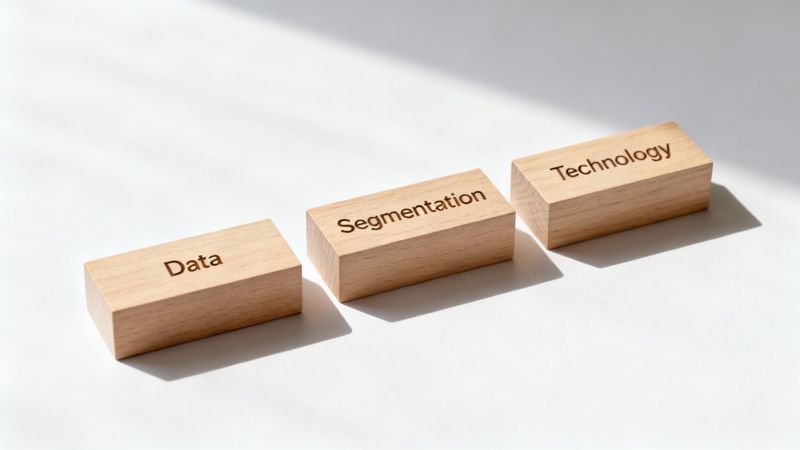
Alright, let's move from theory to action. A successful one to one marketing strategy doesn't just happen; it's built on a solid foundation. If you want to get this right, you need to focus on three core building blocks. Get these in place, and everything else becomes much easier.
1. Data Collection
You can’t personalize anything without knowing who you're talking to. Data is the fuel for your entire one to one marketing engine. This means ethically gathering meaningful information about your customers—what they buy, what they browse, and what they tell you.
This goes beyond basic demographics. To truly implement a winning strategy, understanding your customer's path is fundamental, a process effectively achieved through customer journey mapping. The goal is to build a clear, 360-degree view of each individual.
2. Segmentation and Analysis
Once you have the data, you need to make sense of it. This is where you move from just collecting information to actually using it. Segmentation is about grouping customers based on shared behaviors or characteristics, but for one to one marketing, you have to take it a step further.
Instead of broad buckets like "new customers," you start creating hyper-specific profiles that get you closer to an audience of one. This analytical step is what transforms raw data into actionable insights, showing you exactly what each person needs next. If you're interested in the nuts and bolts of this approach, you can learn more about what data-driven marketing really entails.
3. Technology and Automation
Great data and sharp analysis are useless if you can't act on them efficiently. The final pillar is the technology that lets you deliver unique experiences at scale without burning out your team.
This is where automation comes in. The right tools can take your individual customer insights and automatically trigger personalized emails, customized website content, or dynamic ad creative. It’s the machinery that makes millions of personal conversations possible.
Overcoming Common Personalization Hurdles
So, while the promise of one-to-one marketing sounds amazing, actually doing it is another story. Many businesses feel a huge disconnect between what they want to do with personalization and what they can actually pull off. This isn't just a hunch; it's a reality many of us in the industry see every day.
A big part of the problem comes down to wrestling with customer data. According to Gartner, a whopping 63% of digital marketing leaders still say personalization is a tough nut to crack. What’s more, only 17% are using AI and machine learning in their marketing efforts, which points to a major gap in both technology and skills. If you want to dive deeper into these stats, The CMO has some great insights on how marketers are managing these strategies.
Key Roadblocks to Anticipate
If you're serious about building a real one-to-one strategy, it pays to know what you're up against from the get-go.
Data Privacy and Compliance: This is non-negotiable. With regulations like GDPR and CCPA, you have to be transparent about how you handle customer data. Building trust is everything, but navigating the legal side can get complicated, fast.
Technical Complexity: Ah, the classic tech nightmare. Trying to get all your different systems—your CRM, e-commerce platform, analytics tools—to talk to each other and create a single customer view is a massive technical headache for most teams.
Internal Skill Gaps: Just having the data isn't the finish line. You need people on your team who can actually make sense of it. It takes sharp analytical skills to find the insights and the technical know-how to turn those insights into action.
By getting real about these hurdles upfront, you can build a much more realistic—and successful—plan to bring true one-to-one marketing to life.
How Automation Makes True Personalization Possible
The idea behind one-to-one marketing is fantastic, but let's be honest—the execution is the tricky part. How can any business, big or small, create a genuinely unique experience for thousands, or even millions, of customers without a massive team working 24/7?
The answer is automation.
Automation is the engine that brings personalization to life at scale. It connects your customer data to smart software, letting you send out countless individualized messages and experiences automatically. If you want a deeper look, you can explore more about what marketing automation is and how it works to understand its full potential.
This infographic neatly summarizes the typical roadblocks—privacy concerns, tech hurdles, and skill gaps—that automation helps you clear.
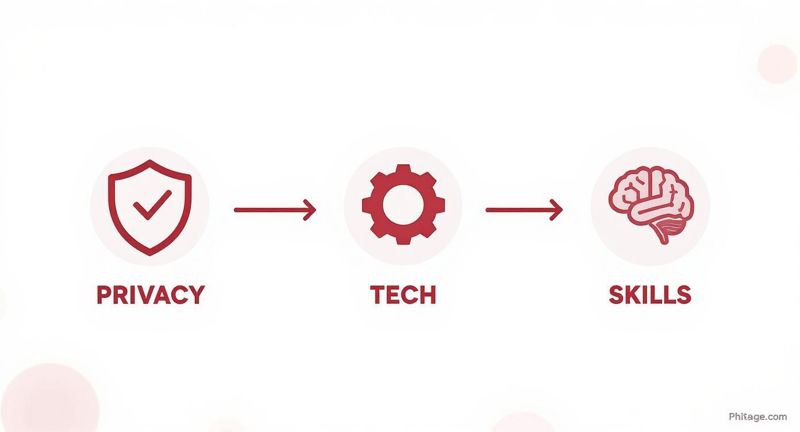
As you can see, these challenges often stop personalization dead in its tracks. But with the right technology, there's a clear path forward.
Personalized Images in Action
Let’s make this real with a practical example: personalized image automation.
Imagine you run an e-commerce store. You want to send a "thank you" email after someone makes a purchase. Instead of a bland, generic graphic, what if you could send an image that features the customer's name and a picture of the exact product they just bought?
Trying to do this manually for every single order would be an absolute nightmare. It’s just not feasible.
This is where a tool like OKZest steps in and makes it simple:
- Create a Template: You start by designing a single, high-quality image template. Think of it as a blueprint with placeholders for dynamic bits of information, like the customer's name or product image.
- Connect Your Data: Next, you link a data source. This could be a customer list from your email platform or even a basic spreadsheet.
- Generate at Scale: With a click, the platform instantly creates a unique, personalized image for every single person on your list.
Suddenly, a generic, forgettable message becomes a memorable one-to-one interaction. It’s a small touch that makes your customer feel genuinely seen and appreciated.
To really get this working smoothly, businesses often pair these visual tools with other platforms. For instance, many of the top email outreach tools allow you to embed these custom visuals directly into your email campaigns, streamlining the whole process.
By automating the most time-consuming parts of personalization, you free up your team to focus on strategy and creativity—not tedious, repetitive tasks. This is how you make one-to-one marketing a practical reality for your business.
Got Questions About One to One Marketing?
Let's clear up a few common questions that pop up when businesses start thinking about one-to-one marketing. This should help you get past any sticking points and feel ready to move forward.
What’s the Real Difference Between Personalization and One to One Marketing?
This is a great question because the two are definitely related, but one-to-one marketing is a much deeper strategy. Think of it this way: personalization is using a customer's first name in an email subject line. It's a nice, friendly touch—but it's just one tactic.
One-to-one marketing, on the other hand, uses a customer's whole story—their browsing history, past purchases, and preferences—to shape their entire experience. It's about tailoring everything from the product recommendations they see to the specific visuals in an ad. It’s the difference between a polite greeting and a truly personal conversation.
How Can a Small Business Actually Get Started with This?
You absolutely don't need a huge, enterprise-level budget to dip your toes in. The trick is to start small with the first-party data you already have, like the email sign-ups and purchase history sitting in your e-commerce platform.
From there, you can use your email marketing platform’s built-in segmentation features to create more targeted campaigns. The smart approach is to prove the ROI on a manageable scale first. Once you see it working, you can gradually invest in more advanced tools as you grow.
The goal isn't to be perfect from day one. It's about taking practical steps to treat customers more like individuals, using the resources you have right now.
Is This Going to Be Expensive to Implement?
It can be, but it really doesn't have to be. While a massive Customer Data Platform (CDP) is a big investment, there are plenty of affordable and scalable tools out there today.
Many modern email marketing platforms already include powerful automation features at no extra cost. And specialized tools for high-impact tasks, like creating personalized images, can deliver a high return on investment very quickly. To make your budget stretch, just focus on applying one-to-one principles to your most important channels first, like email and landing pages.
Ready to make every customer feel like they're the only one? With OKZest, you can automate personalized images for your emails, newsletters, and social media campaigns, turning every interaction into a memorable one-to-one experience. Explore how OKZest can transform your marketing today.